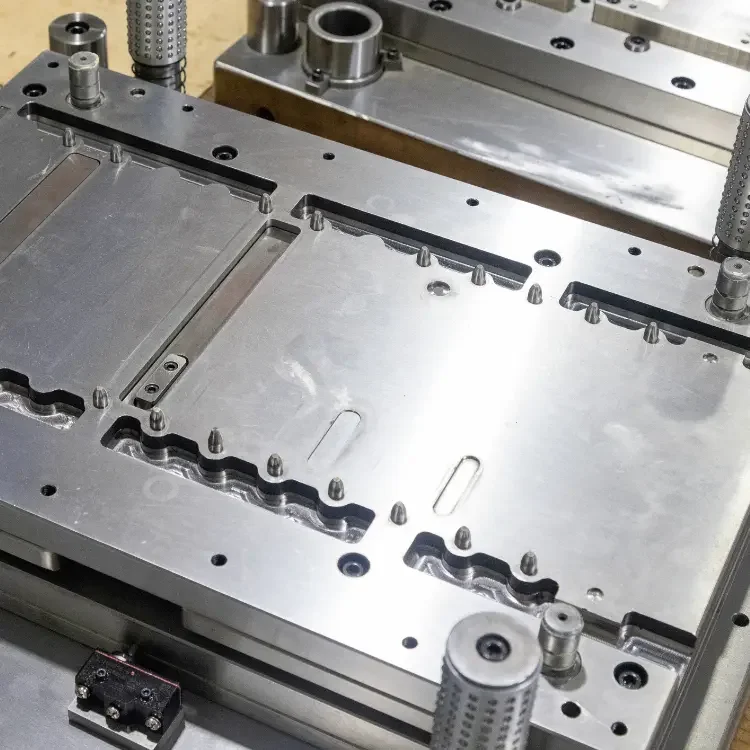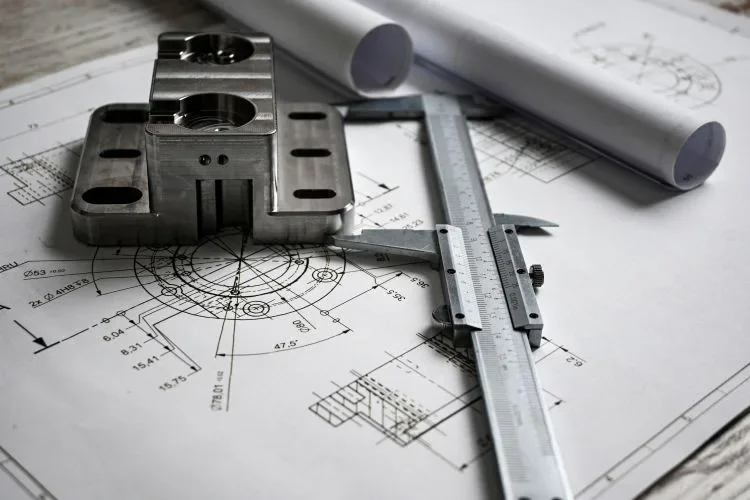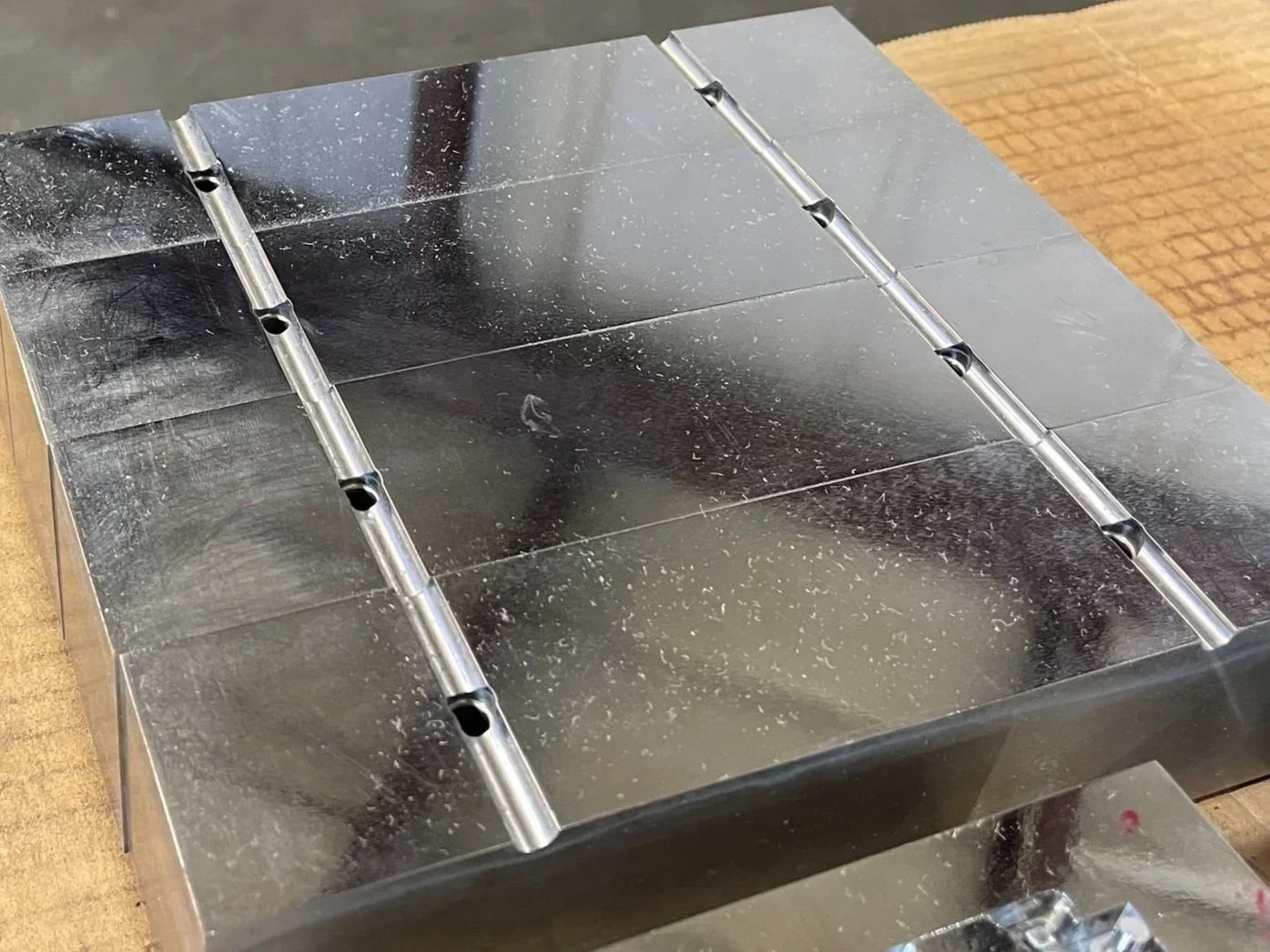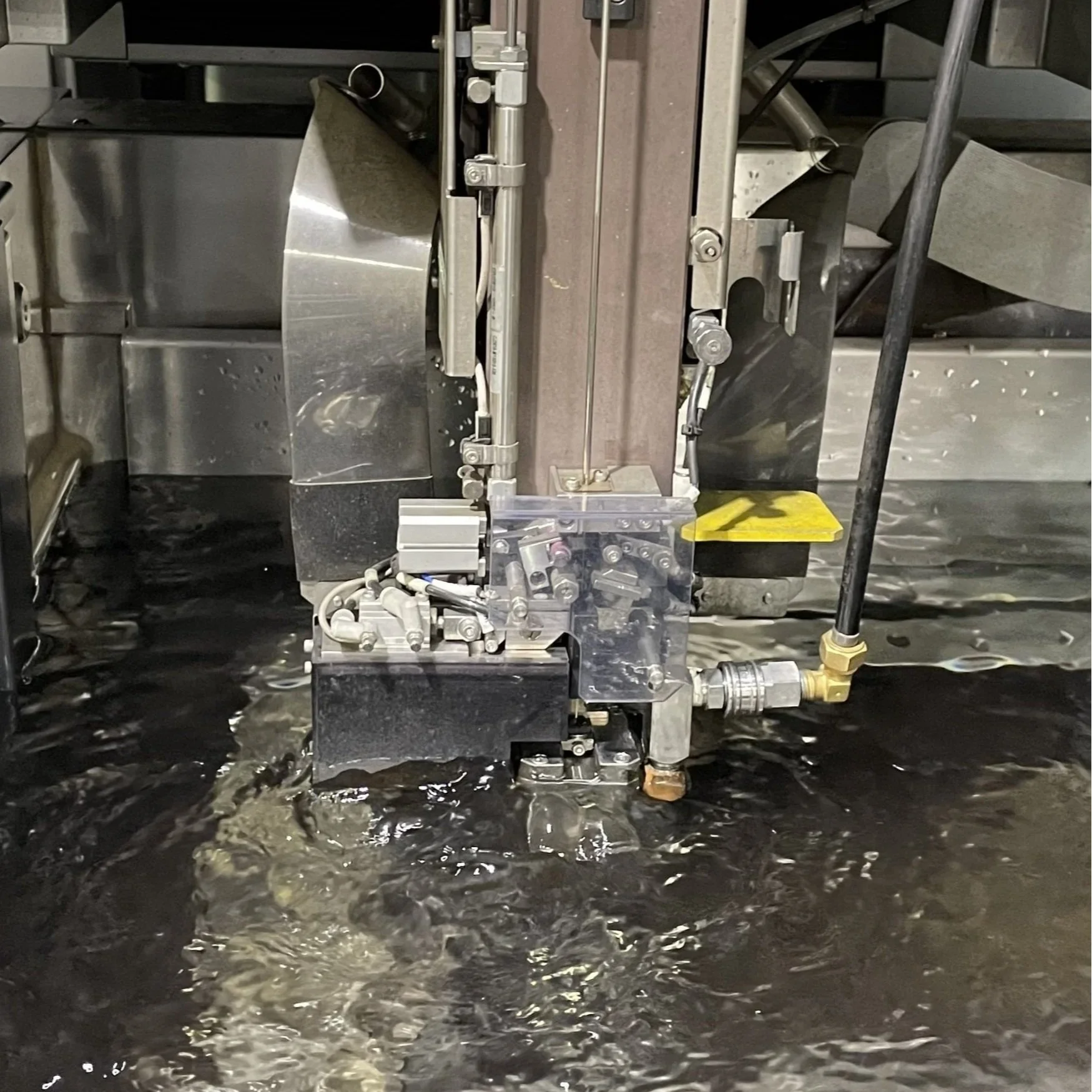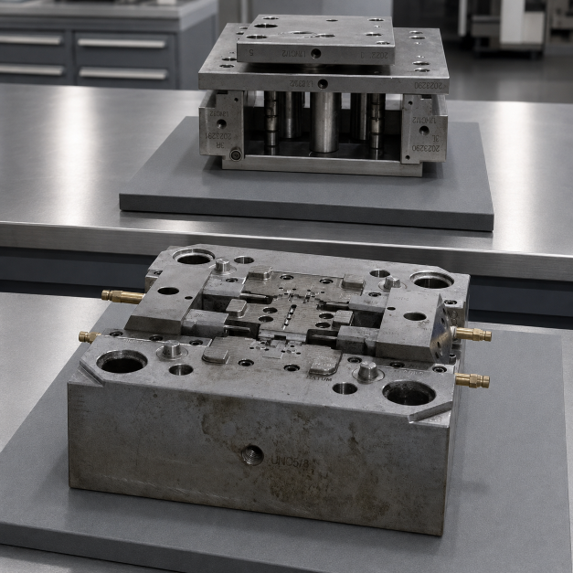
In manufacturing environments where precision and consistency matter, tooling is one of the most valuable assets in the production process. Molds and dies are engineered to exact specifications, often requiring months of design and machining before they ever enter production. Yet once they’re running, these tools are frequently pushed to operate for long periods while paying them minimal attention.
The reality is simple: you can’t just ignore your machines. Precision tooling requires ongoing maintenance to perform reliably.
Without routine inspection and preventative care, even the most carefully engineered mold or die will begin to degrade over time. Wear, contamination, thermal stress, and repeated production cycles all contribute to gradual changes that can eventually impact part quality, cycle times, and overall production efficiency.
Versatile Mold and Design is known for collaborating with manufacturers from various industries to maintain, repair, and optimize tooling systems throughout their operational lifespan. A thorough understanding of essential tooling maintenance practices is vital for minimizing unplanned downtime, prolonging tool longevity, and ensuring consistent product quality.
Why Tooling Maintenance Matters
Tooling operates under demanding conditions. High pressure, extreme temperatures, abrasive materials, and continuous mechanical movement all place stress on mold and die components. Over thousands or even millions of cycles, these forces inevitably create wear.
When tooling maintenance is overlooked, small issues can quickly escalate into larger problems, such as flash or parting line leakage, dimensional drift in molded parts, surface defects or cosmetic inconsistencies, increased cycle times, ejection failures, and unplanned machine downtime. These all have a negative impact on production performance.
The cost of emergency tooling repair often far exceeds the cost of preventative maintenance. Scheduled inspections and proactive repairs allow manufacturers to maintain stable production while avoiding unexpected disruptions.
In short, tooling maintenance isn’t simply about fixing problems; it’s about preventing them.
Types of Tooling Maintenance
Effective tooling maintenance generally falls into three categories: preventative maintenance, predictive maintenance, and corrective maintenance. Each plays a role in maintaining reliable production performance.
Preventative Maintenance
Preventative maintenance involves scheduled inspections and servicing at regular intervals based on cycle counts or production schedules.
Typical preventative tasks include:
- Cleaning cavities and core surfaces
- Inspecting parting lines and shutoffs
- Checking ejector pins and return mechanisms
- Verifying alignment of guide pins and bushings
- Cleaning and flushing cooling channels
- Lubricating moving components
These procedures help remove debris, detect early wear, and ensure that the mold continues to operate within its intended tolerances.
Predictive Maintenance
Predictive maintenance uses operational data to anticipate when maintenance will be required. Rather than waiting for a fixed schedule, technicians monitor production indicators, such as:
- Dimensional trends in molded parts
- Changes in cycle time
- Pressure fluctuations
- Temperature irregularities
These signals can reveal underlying issues within the mold or die before visible damage occurs. Predictive maintenance is particularly valuable for high-volume production environments where downtime must be minimized.
Corrective Maintenance
Corrective maintenance occurs when a tool requires repair or modification after a problem has been identified. This may involve:
- Re-machining worn shutoff surfaces
- Replacing ejector pins or springs
- Repairing damaged cavity surfaces
- Adjusting misaligned components
- Replacing inserts or wear plates
While corrective maintenance is sometimes unavoidable, the goal of a strong maintenance program is to minimize the need for reactive repairs.
Key Components That Require Regular Inspection
Molds and dies contain many precision components that must work together perfectly for consistent production. Certain areas tend to experience the most wear and should be inspected regularly.
Parting Lines and Shutoffs