
5 Warning Signs That Your Molds & Dies Need Maintenance Before It’s Too Late
/Molds and dies are the backbone of modern manufacturing. Whether producing thermoset components for electrical and marine infrastructure or high-volume thermoplastic parts for industrial and medical equipment, the performance of your tooling directly impacts production efficiency, part quality, and overall operational costs.
Yet despite their importance, molds and dies are often pushed to run longer than they should without inspection or preventative maintenance. Like any precision tool, they experience wear over time. Ignoring early warning signs can allow minor issues to escalate into serious production problems, including flash, dimensional variation, longer cycle times, or even catastrophic tool failure.
Engineers at Versatile Mold and Design work with manufacturers across industries to maintain, repair, and optimize tooling systems before small problems become costly downtime events. The key is recognizing early indicators that your mold or die needs attention.
Let’s review the top 5 warning signs that your tooling may need maintenance and how to address them before the damage becomes irreversible.
Flash Appearing on Finished Parts
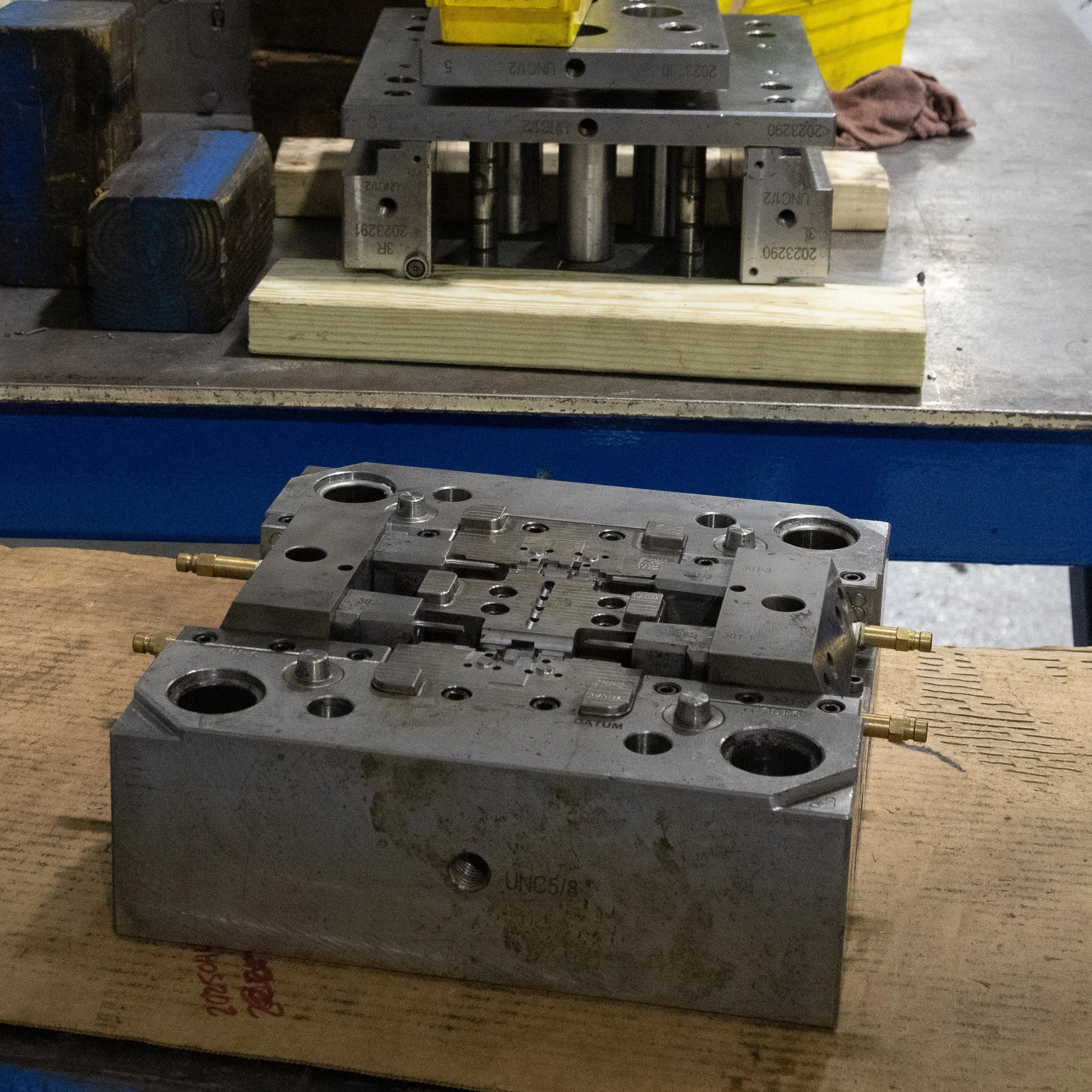
One of the most obvious warning signs of mold wear is the appearance of flash along parting lines or shutoff surfaces. Flash is the plastic material that seeps into the gaps between the molding parts. While it can sometimes be caused by excessive injection pressure or incorrect processing parameters, it often indicates that the mold itself is beginning to wear.
Common causes include worn parting lines, damaged shutoff surfaces, misaligned mold halves, worn guide pins or bushings, and tool steel erosion in high-pressure areas. Even very small amounts of wear can create gaps large enough for material to escape.
If flash is allowed to continue unchecked, operators may increase clamp force or adjust process parameters to compensate. While they may temporarily reduce the symptoms, it often accelerates tool damage by placing additional stress on the molds.
Flash removal is a necessary part of the blow molding process. Early inspection and repair, such as polishing shutoffs, adjusting alignment components, or resurfacing worn areas, can restore the seal and extend the life of the tool.
Dimensional Drift or Inconsistent Part Quality
Another early indicator of tooling degradation is a gradual shift in part dimensions or increased variability between production runs.
Molds are engineered to extremely tight tolerances. Over time, however, repeated heating cycles, mechanical stress, and abrasive materials can cause subtle changes in cavity geometry.
Signs of dimensional drift may include parts measuring out of tolerance, increased rejection rates during quality inspections, fit issues during downstream assembly, and greater variation between cavities in multi-cavity molds.
In thermoset compression molds and thermoplastic injection molds alike, cavity wear, insert movement, or damaged edges can all influence part accuracy. These issues often develop slowly and may initially appear to be process-related rather than tooling-related. However, if process parameters remain stable and quality issues persist, the mold itself should be evaluated.
Regular dimensional checks and preventative maintenance help ensure the cavity continues to produce parts that meet original design specifications.
Extended Cycle Times
Cycle time is a critical metric for production efficiency. When molds are operating properly, heating, filling, curing, cooling, and ejection occur within expected timeframes. If cycle times begin to increase without a clear process explanation, it may indicate underlying tool problems.
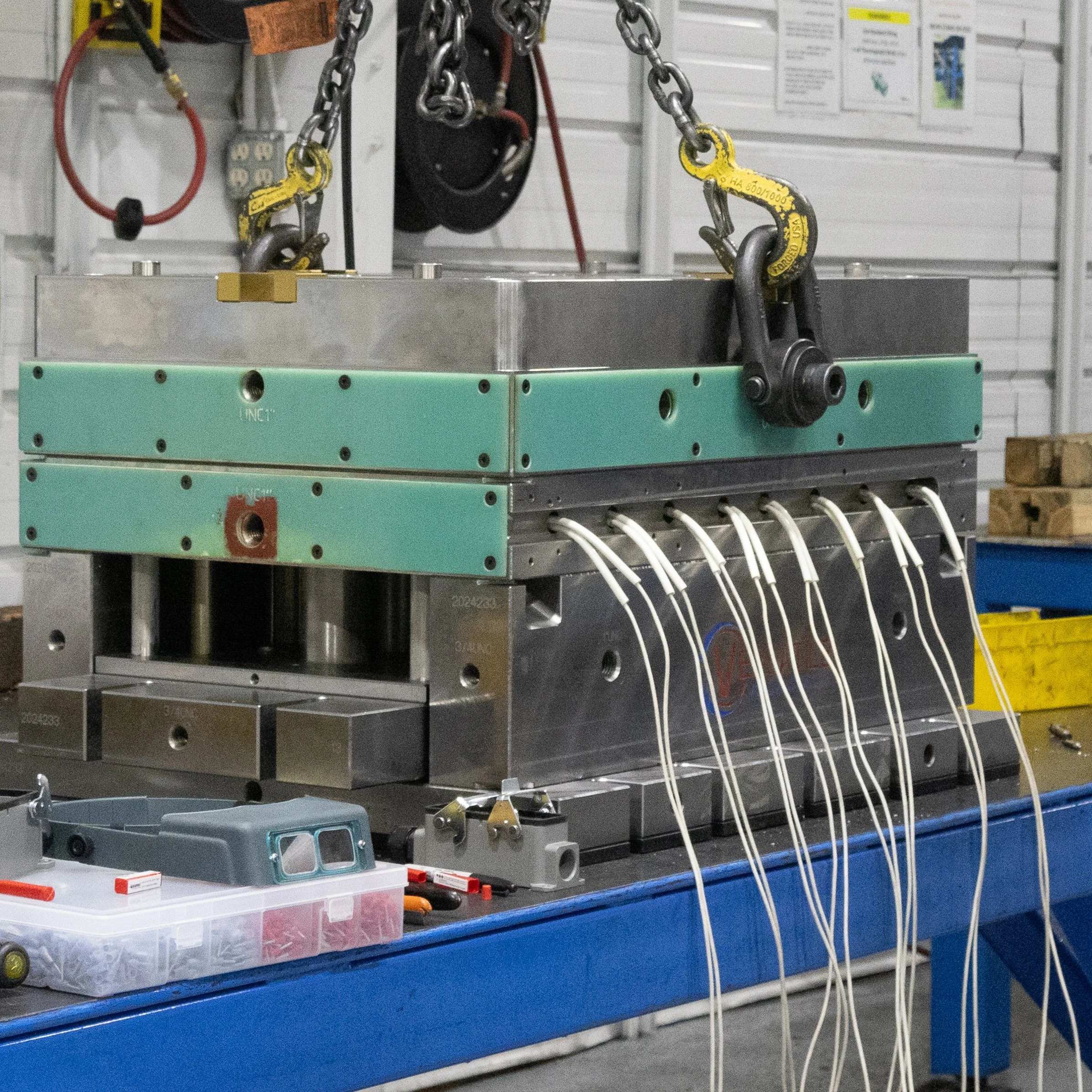
Several mold conditions can lead to longer cycle times. These can include cooling channel buildup or blockage, poor heat transfer from worn surfaces, and damaged venting systems. Ejection system resistance and gate wear affecting material flow can also influence the cycle times.
For thermoset tools, uneven heating or poor thermal balance can extend curing time. In thermoplastic injection molds, restricted cooling channels may slow down solidification, forcing operators to extend cooling cycles to maintain part integrity.
These changes may appear small at first, perhaps a few seconds added to each cycle, but over thousands of parts, the productivity impact becomes significant. Routine maintenance, including cleaning cooling channels and inspecting thermal surfaces, helps restore proper heat management and keep production cycles optimized.
Visible Tool Surface Damage or Wear
Visual inspection remains one of the simplest yet most effective ways to detect early mold damage.
Common visual warning signs include scratches or scoring inside cavities, corrosion or rust buildup, pitting or surface erosion, burn marks or material buildup, and damage to gate areas or vents. These conditions may develop due to abrasive materials, chemical exposure, moisture contamination, or inadequate maintenance intervals.
Surface damage impacts both appearance and material flow in molds. Rough surfaces increase friction, change filling patterns, and may cause weak spots. For cosmetic or precision parts, even small imperfections can result in defects.
Preventative polishing, surface treatments, and routine cleaning can significantly extend the life of cavity surfaces and preserve part quality.
Unusual Noises or Ejection Problems
The final warning sign often appears during mold operation itself. If operators begin noticing unusual sounds or resistance during ejection, the mold may be experiencing mechanical wear or misalignment. Noises that sound like grinding, snapping, or binding sounds should never be ignored. They often indicate that components are beginning to fail or operate outside their intended tolerances.
Potential causes include bent or worn ejector pins, damaged return springs, misaligned ejector plates, sticking slides or lifters, or debris accumulation inside moving components.
These issues can cause parts to stick in the mold, requiring manual removal or slowing production. Over time, excessive stress on ejection systems may lead to pin breakage or internal tool damage.
Early intervention allows technicians to replace worn components before they cause damage to surrounding tooling structures.
Why Proactive Mold Maintenance Matters
Preventative mold maintenance is not simply about extending tool life, it’s about protecting production stability. Without routine inspection and maintenance, tooling issues can quickly escalate to numerous consequences:
- Unplanned production shutdowns
- Expensive emergency repairs
- Scrap and material waste
- Missed delivery schedules
- Customer dissatisfaction
Proactive maintenance programs help manufacturers detect issues early, schedule repairs strategically, and maintain consistent part quality throughout the life of the tool. For high-volume production environments, this approach is essential for preserving efficiency and avoiding costly disruptions.
Protecting Your Tooling Investment
Molds and dies represent a significant capital investment. Proper maintenance ensures that investment continues to deliver value year after year.
At Versatile, our team supports manufacturers with comprehensive tooling services including mold repair, refurbishment, inspection, and preventative maintenance programs. Whether working with thermoset compression molds or high-cavitation injection tooling, our goal is to keep production running smoothly and reliably.
Recognizing the warning signs early, and acting before small issues become major problems, is the best way to protect your tooling, maintain production efficiency, and ensure consistent part quality over the long term.
Just remember: when it comes to precision tooling, waiting too long to address the problem rarely ends well.