
From Conception to Production: The Mold Building Process
/A high-quality molded component starts long before material enters a molding press. Behind every repeatable plastic or thermoset part is a carefully engineered mold designed around the material, geometry, production volume, quality requirements, and expected program life.
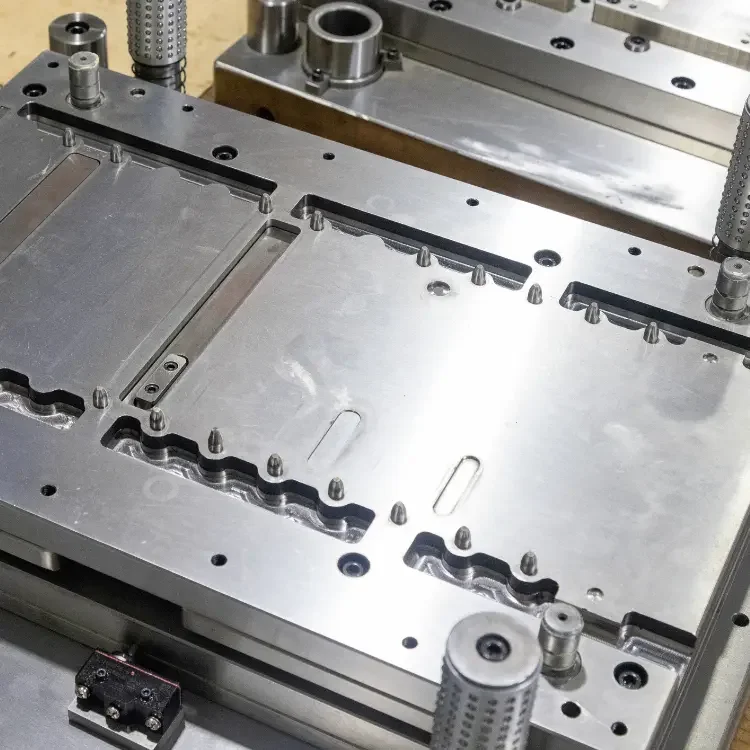
That makes mold building much more than machining a cavity into steel. It’s a coordinated engineering process that moves from understanding an application through design for manufacturability, mold engineering, precision machining, testing, validation, and long-term maintenance.
For manufacturers considering a new custom mold build, understanding each step can make it easier to plan timelines, control tooling costs, and avoid decisions that create production challenges later.
We look beyond the mold itself. Our objective is to create a complete manufacturing solution capable of producing consistent parts throughout the program’s life.
Step 1: Understand the Part Requirements
Before determining how a mold should be built, engineers first need to understand exactly what the intended purpose of the finished component is. Important requirements include material selection, annual production volume, dimensional tolerances, surface finish requirements, and mechanical loads, just to name a few.
A component used in an electrical application, for example, may place significant importance on heat resistance and electrical insulation. On the other hand, a medical or aerospace component may introduce additional requirements surrounding material selection, consistency, documentation, or dimensional control.
Understanding these conditions early provides the foundation for every decision that follows. Further steps then can be planned with greater accuracy in mind.
Step 2: Evaluate the Best Manufacturing Process
The part requirements help determine which molding process is most appropriate.
Injection Molding
Injection molding is commonly selected for thermoplastic components requiring high production volumes, detailed geometry, tight repeatability, and efficient automated production.
Material is heated and injected into a closed mold through a runner and gate system. The part is then cooled sufficiently for removal before the cycle repeats.
Compression Molding
Compression molding is particularly important for thermoset and composite materials. A measured charge is placed into a heated cavity, and the pressure causes the material to flow and conform to the mold as it cures.
Applications requiring heat resistance, electrical properties, structural strength, or reinforced materials may benefit from compression molding.
Insert Molding
Insert molding is the art of crafting complex parts by merging different materials with an inserted component into a single, seamless design. This process demands surgical precision and unwavering quality, making it a popular choice for automotive, electronics, medical, and consumer goods industries.
Transfer Molding
Transfer molding typically requires placing a preheated preform of material into a mold pot before a plunger applies pressure to the material, forcing the material through a runner and gate and into the mold cavity. Its ability to produce intricate and high-quality components utilized in aerospace, medical, automotive, industrial, and telecommunication industries.
Process selection should occur before tooling design because an injection mold and compression mold manage material flow, temperature, pressure, and part removal differently.
Step 3: Design for Manufacturability
One of the most important phases of a successful mold building project happens before steel is cut. DFM evaluates whether the proposed part can be produced efficiently and consistently using the selected material and molding process.
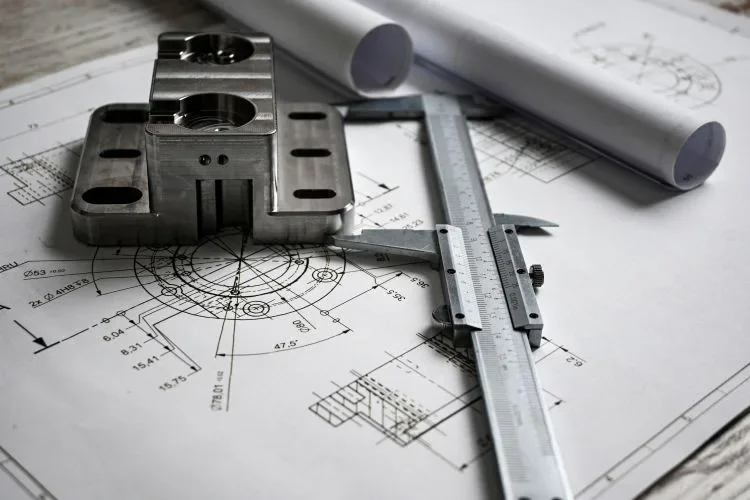
Engineers may review wall thickness and transitions, draft angles, rubs and bosses, undercuts, material flow, gate locations, and ejection requirements. Small design changes at this stage can prevent much larger tooling modifications later.
For injection molded components, maintaining appropriate wall thickness and designing ribs carefully can help manage sink, warpage, and cooling behavior. Draft helps a molded component release from tooling without excessive force.
For compression molded thermoset components, engineers must also consider material movement, charge placement, venting, and where excess material or flash will be controlled. DFM connects product design with manufacturing reality.
Step 4: Design the Mold
Once the part design and process have been established, detailed mold engineering begins. For an injection mold, engineers may design cavities and cores, runner systems, gate locations, cooling circuits, and ejection systems.
Cooling deserves particular attention because temperature control influences both cycle time and dimensional consistency. Compression mold design introduces a different set of considerations, including cavity configuration, mold heating, venting, charge placement, and material-flow patterns.
Although the details differ, the objective is the same: create tooling capable of producing the required geometry consistently and repeatably.
Step 5: Select Tool Steel and Mold Components
The material used to build a mold affects its performance just as the molding resin affects the finished component.
Tool-steel selection should consider expected production volume, resin or compound abrasiveness, operating temperature, corrosion exposure, and expected mold life. A prototype or relatively low-volume tool may not require the same material investment as tooling intended for hundreds of thousands or million of production cycles.
Higher-production applications may justify hardened tool steels and replaceable wear components that increase initial tooling investment but provide better durability over the program’s life. Tool life should therefore be considered in terms of total production requirements, rather than tooling price alone.
Step 6: Precision Tool Manufacturing
Once engineering is complete, the digital mold design becomes physical tooling. Depending on the design, mold manufacturing can involve several precision processes.
CNC Machining:
CNC equipment removes material to create cavities, cores, mold plates, pockets, and other tooling features.
Wire EDM:
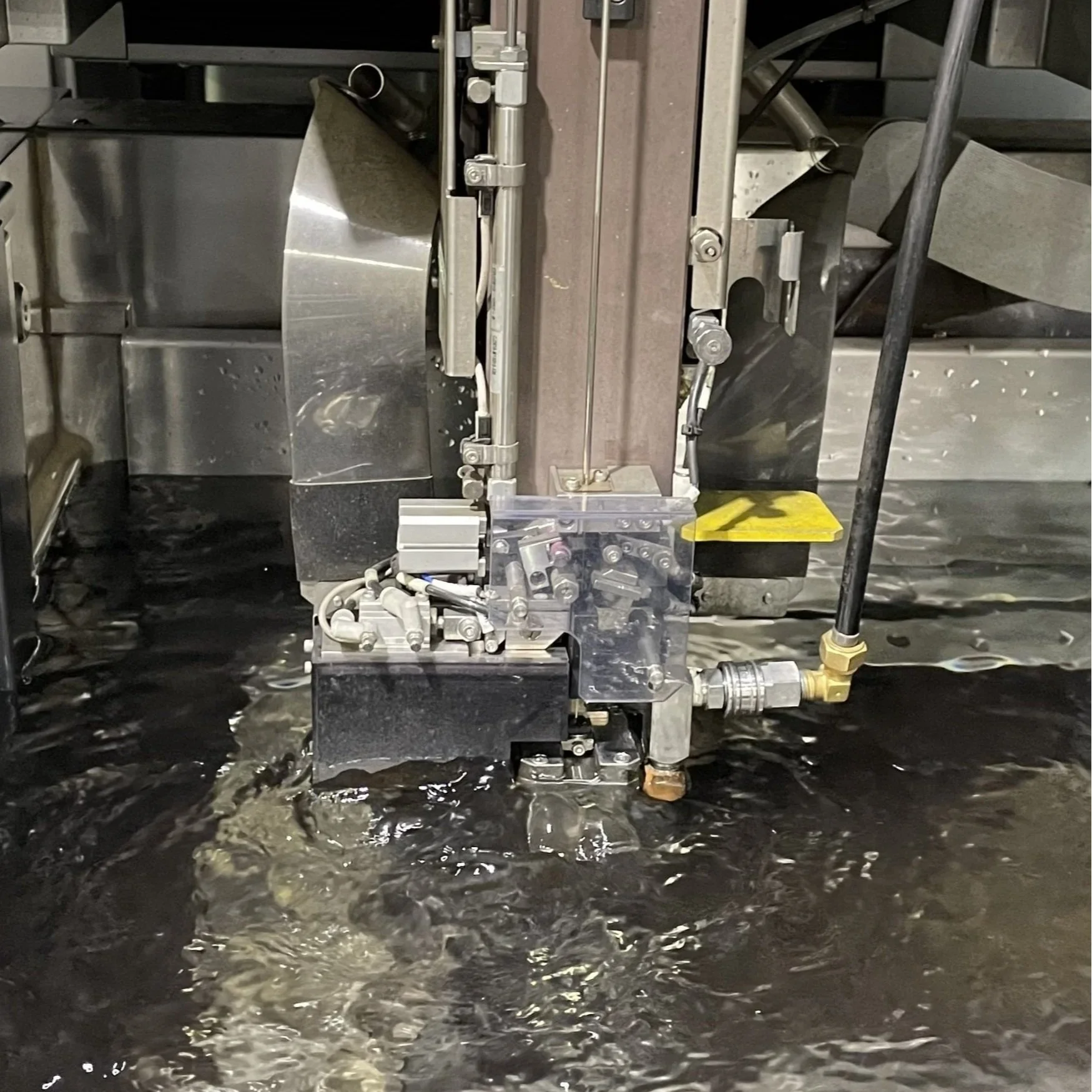
Wire electrical discharge machining uses an electrically charged wire to produce extremely precise profiles in conductive materials. It’s valuable for tight-tolerance inserts, detailed profiles, and geometries that are difficult to create with conventional cutters.
Sinker EDM:
Sinker EDM uses a shaped electrode to produce deep or intricate geometry within tool steel. It’s especially valuable where cutting-tool access is limited. Additional operations may include surface grinding, heat treatment, polishing, texturing, and coating.
Accuracy at this stage directly influences mold alignment, shutoff quality, finished part dimensions, and long-term repeatability.
Step 7: Mold Assembly and Fitting
A mold isn’t simply two machined blocks of steel. Modern production molds can contain numerous components that must work together precisely. Depending on the design, assembly may include core and cavities, slides, lifters, cooling circuits, and heating systems. Toolmakers verify fit, alignment, clearances, and movement before the mold reaches the press.
Cooling or heating circuits can also be checked for proper operation and leaks. Moving components must function smoothly without binding or interfering with other mold features. Only after these systems operate correctly is the tool ready for initial sampling.
Step 8: Mold Sampling and Process Development
The first molding trials are where engineering assumptions meet real-world production conditions. Initial samples allow engineers to evaluate both the physical mold and the molding process.
Adjustments during sampling are a normal part of mold development. Some changes may involve molding parameters such as temperature, pressure, or timing. Others may require tooling adjustments to gates, vents, shutoffs, cooling, or other mold features.
The goal isn’t simply to produce one acceptable sample. It’s to establish a repeatable process capable of producing acceptable parts continuously.
Step 9: Validation and Production Readiness
Once the mold and process have been refined, the next step is demonstrating that the system can repeatedly meet the customer’s requirements.
Depending on the customer and industry, validation activities may include first article and dimensional inspections, production trials, and PPAP and process documentation.
This stage creates the bridge between mold development and full-scale manufacturing.
For a high-volume program, repeatability is especially important. A mold that produces five good samples but struggles during sustained production isn’t ready for launch.
Production readiness means the combination of mold, machine, material, and process can consistently produce the required component.
Step 10: Maintain the Mold Throughout Its Lifecycle
Mold building doesn’t truly end when production begins. A mold is a long-term production asset, and routine preventive maintenance is essential to maintaining its accuracy and reliability.
Common maintenance practices include:
- Cleaning cavities and vents
- Inspecting shutoffs
- Flushing cooling channels
- Lubricating moving components
- Checking ejector systems
- Replacing wear components
- Inspecting alignment
- Polishing surfaces
- Repairing worn features
Maintenance records also help manufacturers track how a mold changes throughout its life and identify recurring wear before it creates production problems.
From a Part Design to a Production System
The best molds aren’t simply manufactured accurately. They’re engineered around the complete production program.
Material behavior affects mold design. Part geometry affects material flow. Production volume affects steel selection. Cooling or heating affects cycle performance. Maintenance considerations influence long-term tooling reliability.
Every decision is connected throughout the entire process. That is why involving an experienced molding partner early can be valuable. Versatile Mold and Design works with customers to evaluate material, molding process, tooling, production requirements, and long-term manufacturing goals as part of one complete system.
Whether a project requires thermoplastic injection molding or thermoset compression molding, the objective remains the same: create tooling and processes capable of delivering consistent, repeatable parts throughout the program’s life.
If you’re considering a new mold build, start the conversation before the design is finalized.
Early collaboration can help identify manufacturability improvements, select the right process, and create a stronger path from concept to full-scale production.
Discuss your next mold building project with Versatile Mold and Design to start with an engineering and manufacturing evaluation.